



The objective of the rant that is this book is not to seek global redistribution or symbolic recognition; it is an intervention and concerns something more fundamental, more vital, maybe the most vital

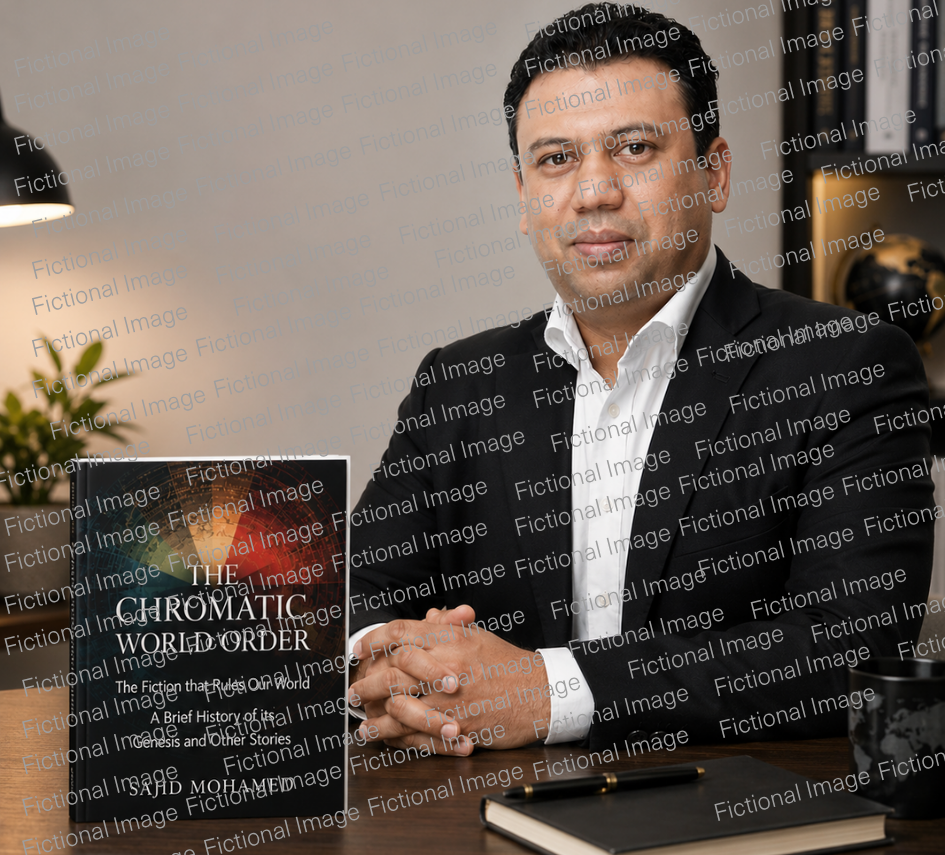
Sajid Mohamed​

A writer and political thinker whose work traverses history, philosophy, race, and international relations to interrogate the hidden moral and intellectual foundations of the contemporary global order. He examines how ideas of civilization, legality, modernity, and power have historically been constructed, institutionalized, and weaponized through racial hierarchies and imperial narratives.

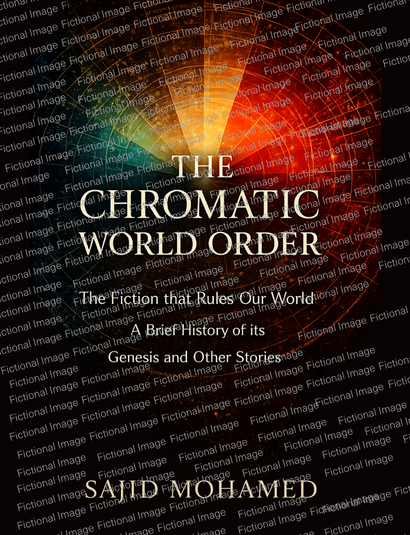
The Chromatic World Order

The Chromatic World Order is an interrogation of the “racialized world order” and the “fiction that rules our world.” Moving through the histories of colonialism, slavery, Enlightenment philosophy, international relations, and modern geopolitical violence, the book examines how “race transformed from a fluid, pseudo-scientific fantasy” into a system that positioned “Whiteness as the normative apex of humanity.” From Gaza, Iraq, and Libya to the philosophical foundations of modernity itself, the work traces the “continuity of racial logic” and argues that the contemporary global order remains structured by “the sanctioned expendability of non-White life.” Ultimately, the book is “an intervention” concerned with “human dignity itself” and the possibility of “a just world.”

Buy on

Amazon Books

Available on

Audiobooks

The Fiction That Shapes Global Power

The Chromatic World Order introduces the idea of a global system in which race, particularly colour-coded racial hierarchy, became one of the hidden organizing principles of modern power. The book argues that contemporary structures of international law, interventionism, economic dominance, political legitimacy, and even the language of civilization and human rights cannot be fully understood without examining the historical construction of race and the enduring architecture of Whiteness within global institutions.

Drawing from philosophy, colonial history, political theory, and international relations, the work traces how ideas once used to justify conquest, slavery, empire, and civilizational hierarchy continue to survive beneath the surface of the modern “rules-based order.”

“Swift-flowing and lucid, the rhetoric nuanced and gripping. The Chromatic World Order hits hard at the Western powers that have proclaimed nation building to the world while flogging war machinery all over it for profit margins. Therefore, Sajid speaks for many when he affirms The duplicity of the West lies not merely in the execution of such horrors but also in the choreography of its moral posture.”

Prof. Ajanta Dutt (retired)

English Department, Deshbandhu College, Delhi University

“The Chromatic World Order offers a compelling analysis of the hypocrisy of the West, cloaked in a rules-based world order. The underlying conviction of the West – that it is superior to the rest of the world – is examined by Mohamed with brutal frankness and clarity. He traces how, through race, imperialism, slavery, colonialism, and the history of racial science, the West perpetuates White superiority and justifies it through an apparently rules-based international order. Mohamed’s book is essential reading for all those trying to make sense of the world, the motivations behind its conflicts past and present, and why the West believes it has an inherent right to rule.”

Dr. Kavita A Sharma

South Asian University
optional Subtitle

This Is Custom Heading

Adipiscing elit, sed do eiusmod tempor incididunt ut labore et dolore magna aliqua. Ut enim ad minim.

Why is Personal Training So Much More Effective?
Qroin faucibus nec mauris a sodales, sed elementum mi tincidunt. Sed eget…

What is the Hardest Thing about Online Conferences?
Qroin faucibus nec mauris a sodales, sed elementum mi tincidunt. Sed eget…

Why are Digital Professions the Most Popular Now?
Qroin faucibus nec mauris a sodales, sed elementum mi tincidunt. Sed eget…

Sign Up for The Newsletter for Updates on Writing, and more

Author

Sajid Mohamed runs a law firm in India.